
Freemasonry · Premium
The Knight who linked Freemasonry and the Templars
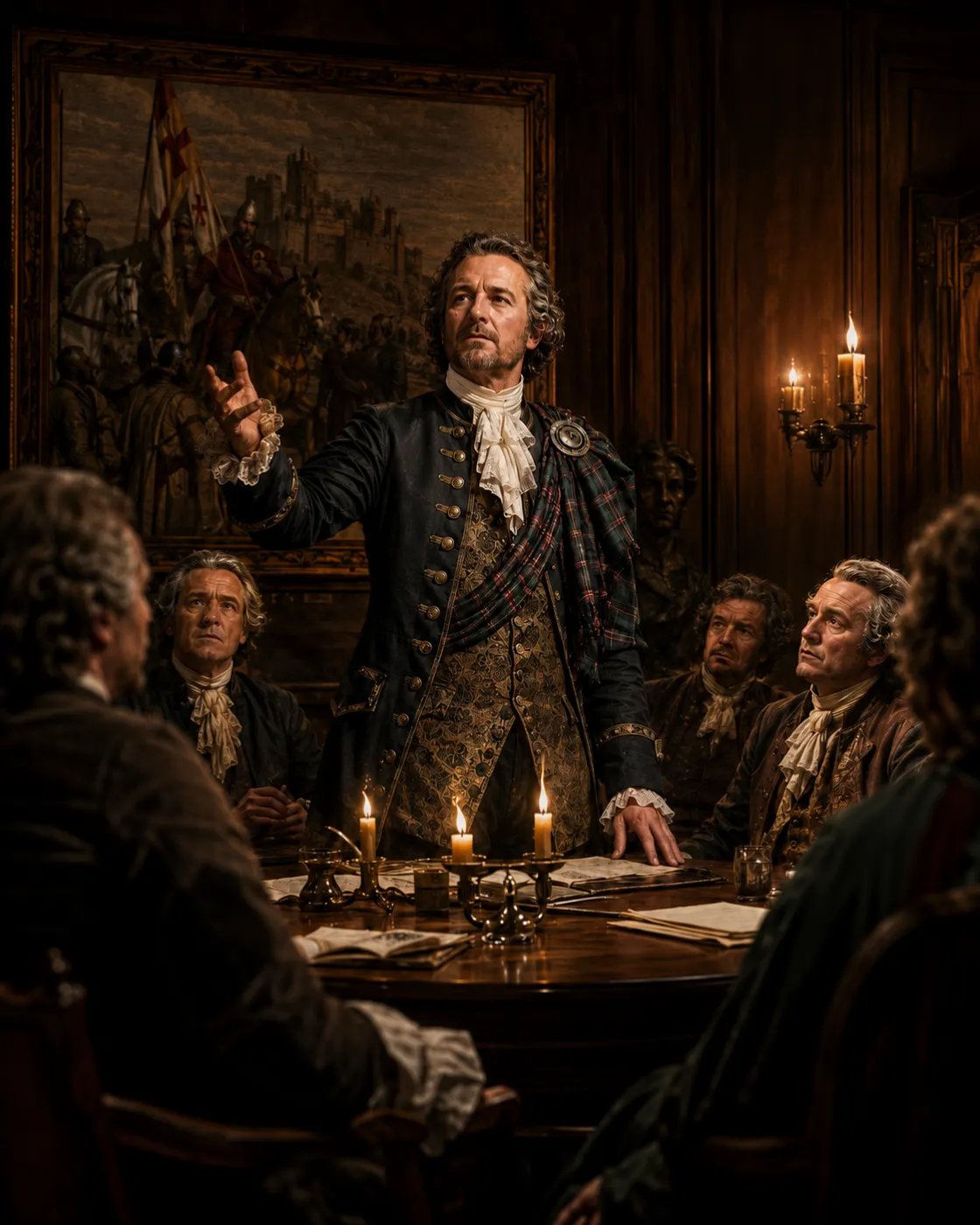
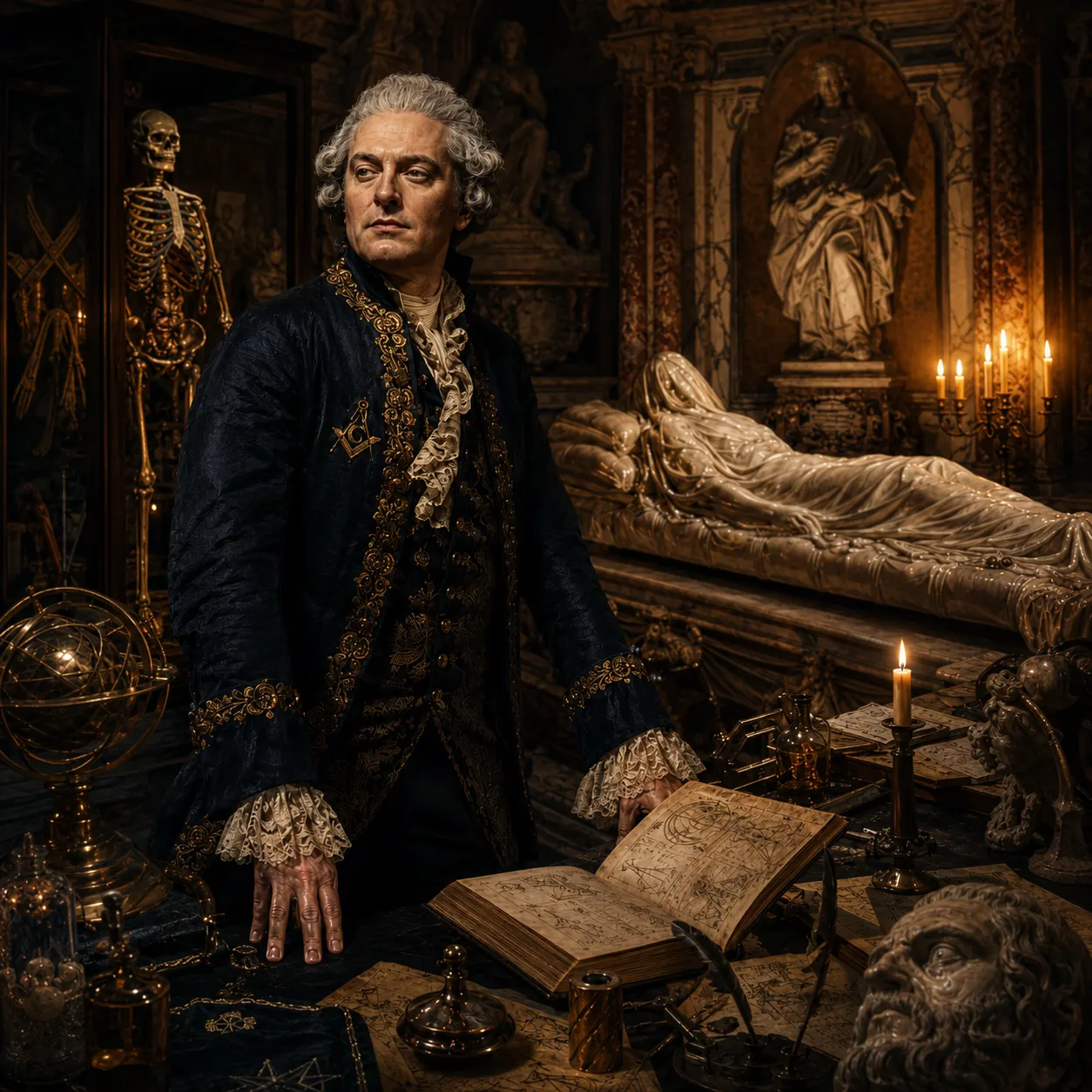
In 1736, the Scottish knight Andrew Michael Ramsay, a Freemason, delivered a speech in Paris, now known as the "Discourse of Epernay", which would forever change the history of Freemasonry. Ramsay argued that the order did not derive from medieval stonemasons' guilds, but from the crusading knights, who had organised themselves into "lodges of Saint John" in the Holy Land. The following year, Ramsay wrote a longer version of the speech, intended for a general assembly of Parisian lodges, but it was never delivered because Cardinal Fleury, Louis XV's prime minister, forbade its reading. The attempt to gain the Church's support failed: in 1737 Masonic meetings were prohibited in France, and in 1738 the pope excommunicated the Freemasons. However, Ramsay's intuition inspired the birth of high Masonic degrees and neo-Templar rites throughout Europe, creating a myth stronger than historical reality.
Premium story: open the app to listen to it in full.