

A Journey through Ancient Rome
How the Romans brought water to the top of the world
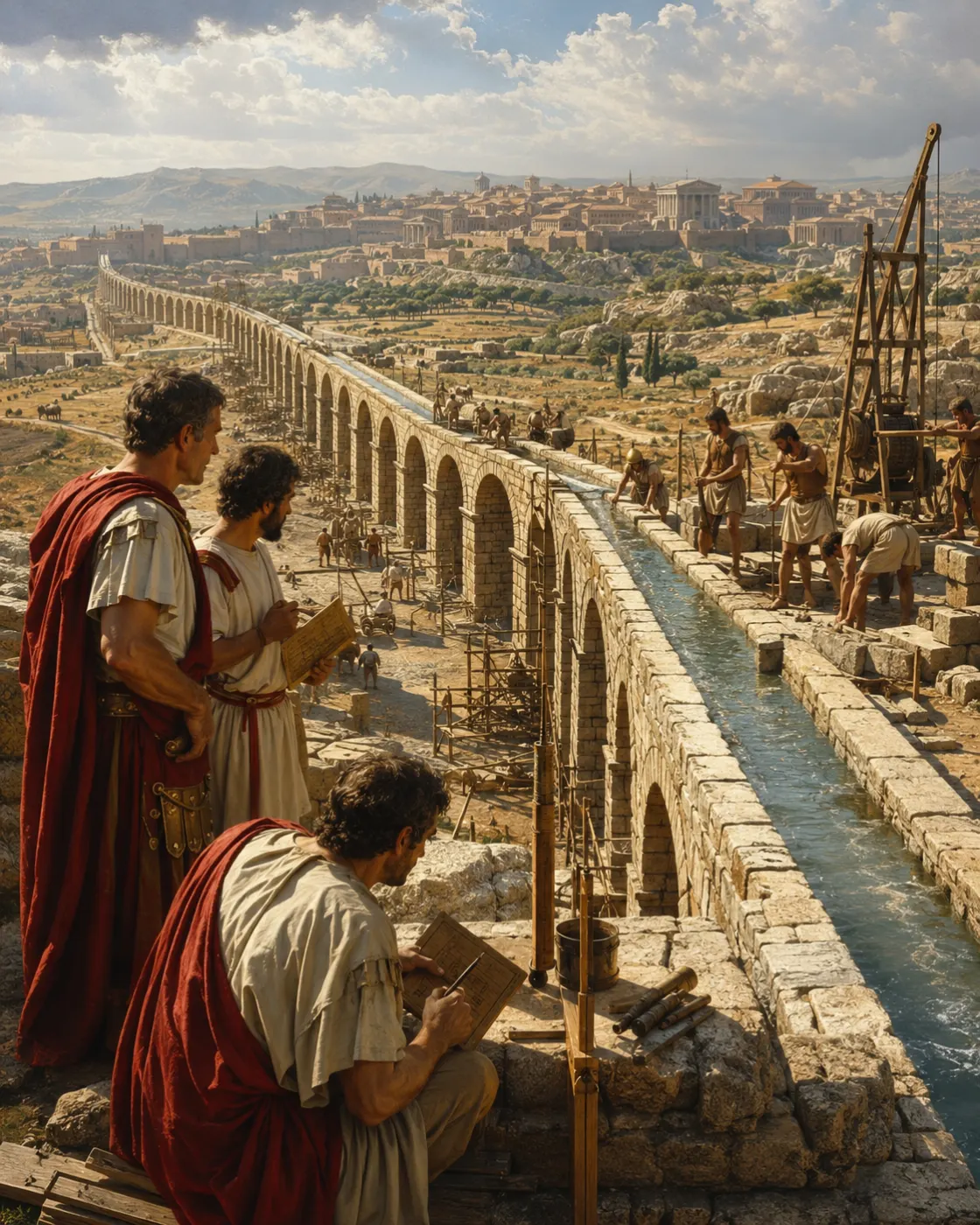
In 312 BC, Rome built its first aqueduct, the Aqua Appia, bringing pure water into the city. It was not a Roman invention, but the Romans made it an art: exploiting gravity with an almost imperceptible gradient, they created a network of over 500 kilometres of conduits, mostly underground to protect the water. To cross valleys, they built monumental arches and, at the deepest points, used siphons, pressurised pipes that exploited the principle of communicating vessels. Opus caementicium, Roman concrete made with pozzolana, made all this possible. Eleven aqueducts served Rome, feeding baths, fountains and houses. The aqueducts were not just engineering: they were the symbol of Rome's greatness.
More stories to listen to
 A Journey through Ancient Rome
Physicians, surgeons and healers in Ancient Rome
A Journey through Ancient Rome
Physicians, surgeons and healers in Ancient Rome
 A Journey through Ancient Rome
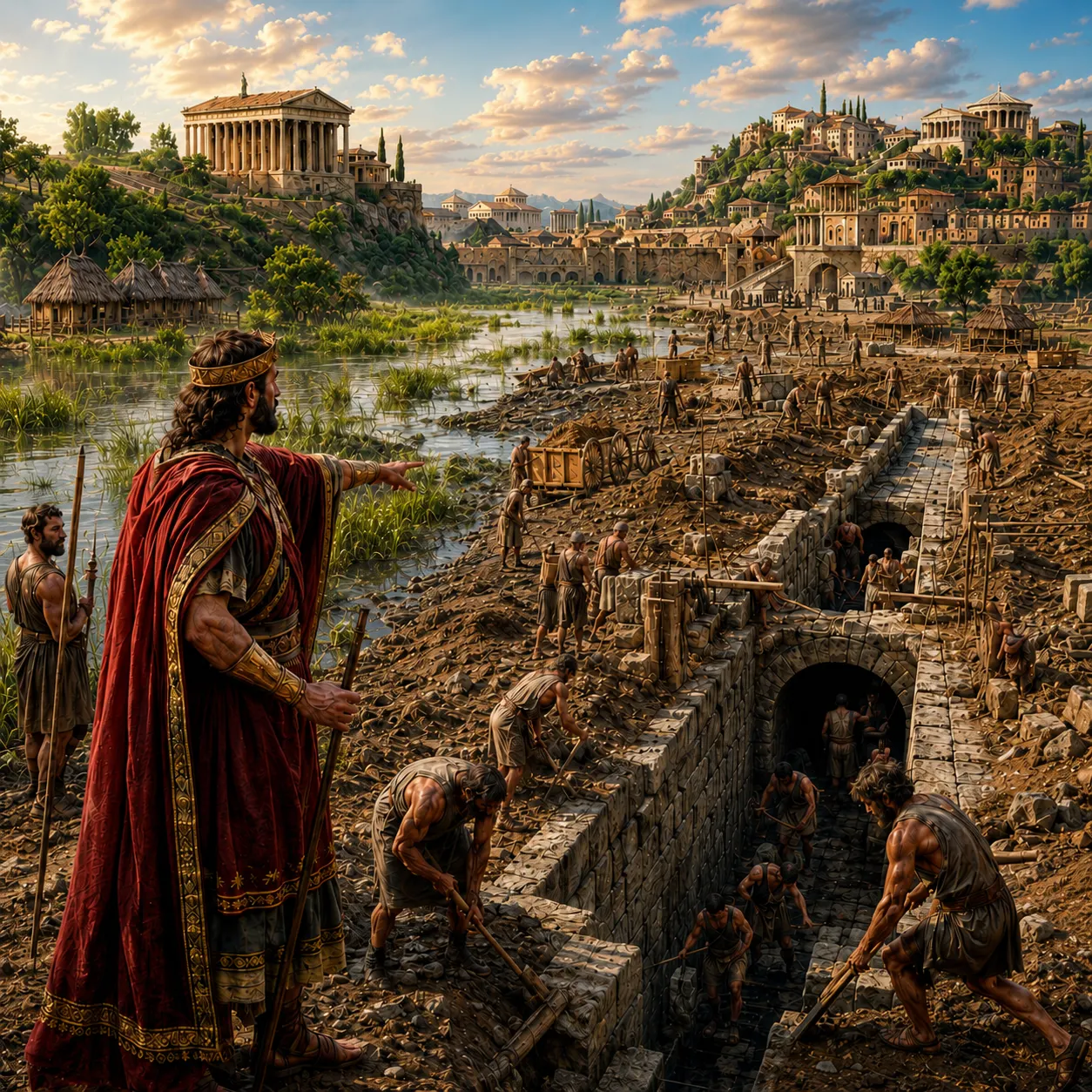
The eternal sewer: the hidden masterpiece of Rome
A Journey through Ancient Rome
The eternal sewer: the hidden masterpiece of Rome
 A Journey through Ancient Rome
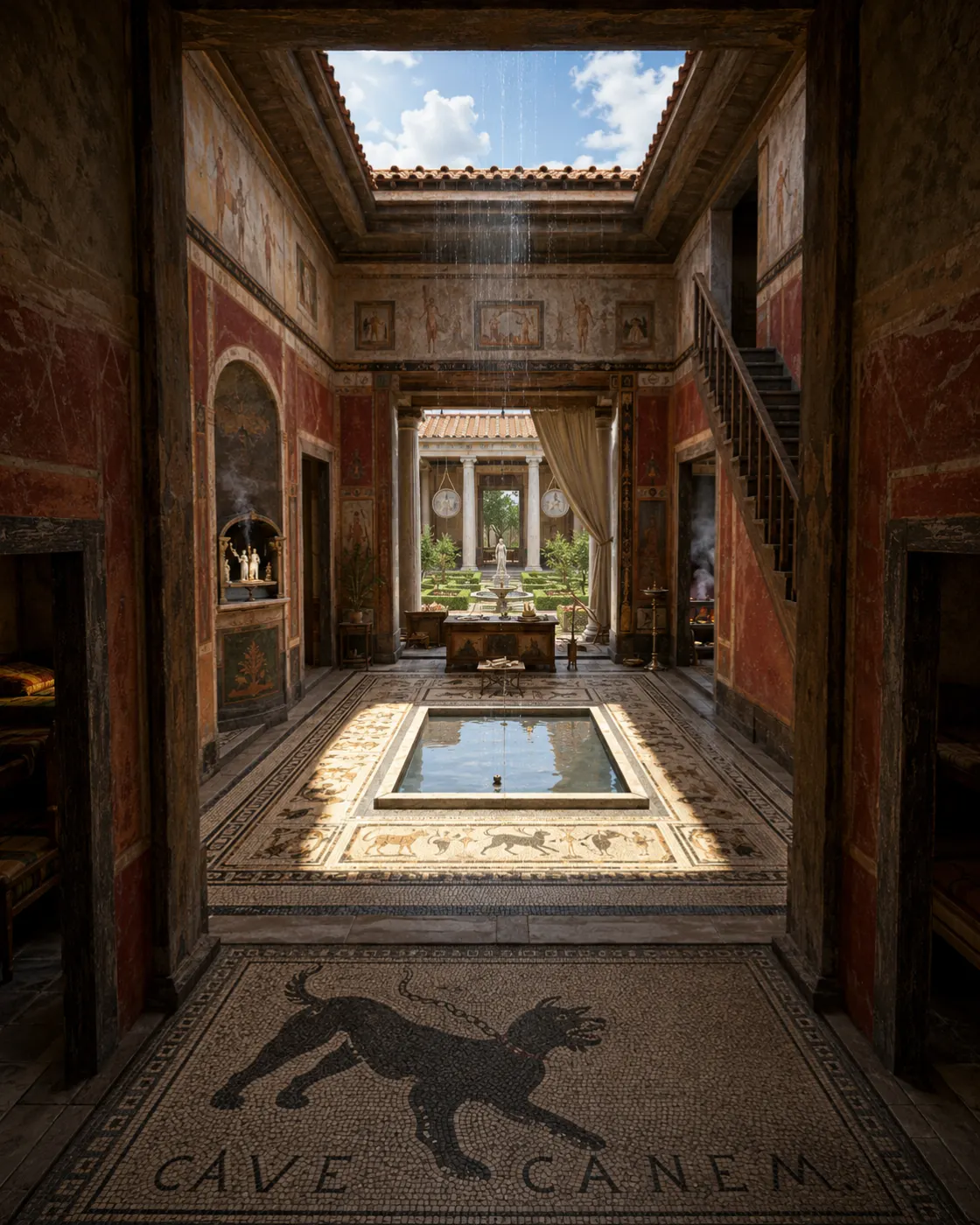
A journey into the Roman domus between luxury, shadows and secrets
A Journey through Ancient Rome
A journey into the Roman domus between luxury, shadows and secrets
 History
Ludwig II of Bavaria: the fairy-tale King
History
Ludwig II of Bavaria: the fairy-tale King