

A Journey through Ancient Rome
The eternal sewer: the hidden masterpiece of Rome
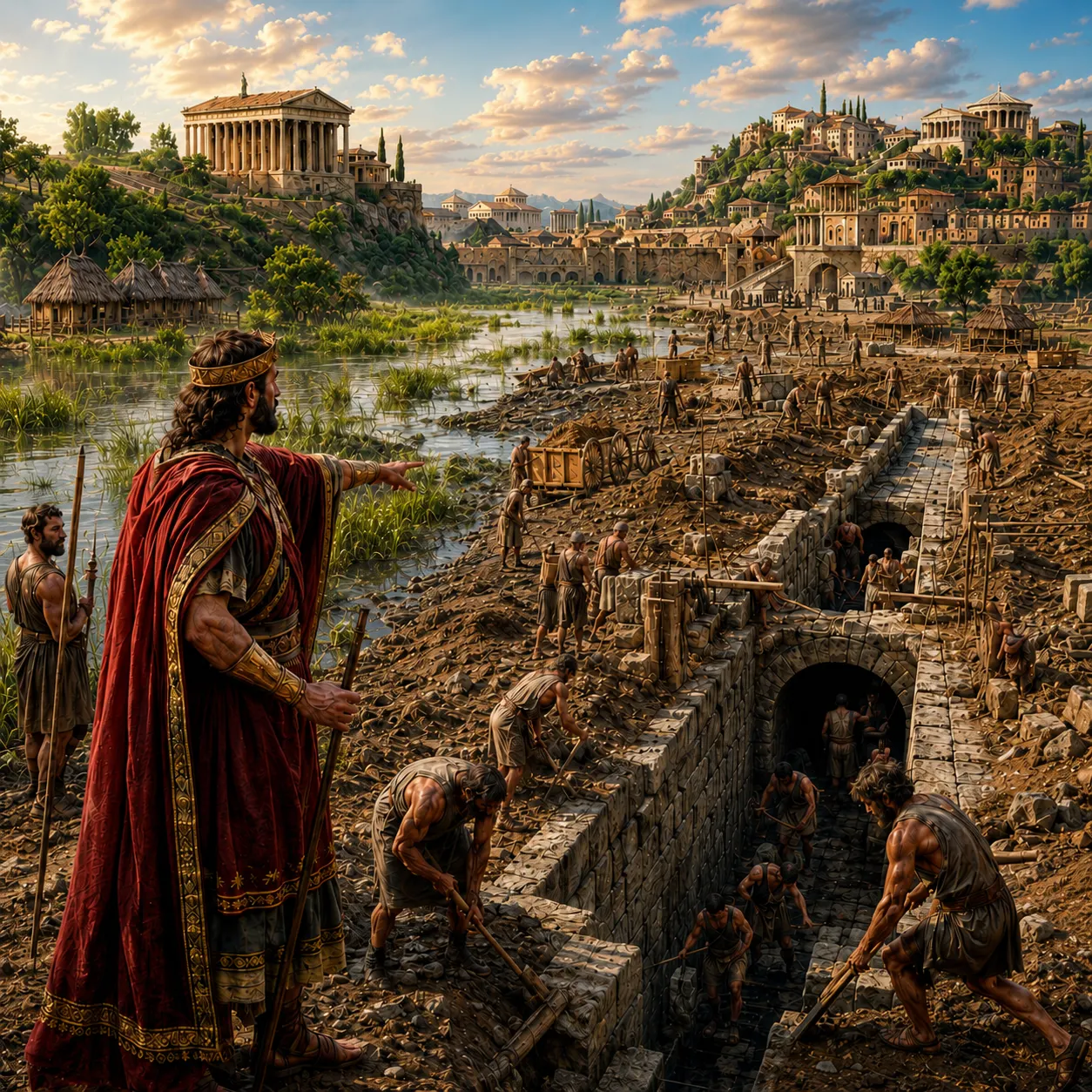
The Cloaca Maxima, built in Rome in the 6th century BC by order of the Etruscan kings, was born as a drainage canal to drain the swamps between the Palatine and the Capitoline hills, transforming an inhospitable valley into the Roman Forum, the heart of public life. Later, with the city's growth, it became the main collector of the sewer system, channelling wastewater from the baths, latrines and houses into the Tiber. The ancient Romans even venerated a protective deity, Cloacina, later merged with Venus. Today, 2,600 years later, the Cloaca Maxima is still functioning, the only monument of ancient Rome still serving its original purpose, a symbol of the engineering greatness and ability to tame water that made Rome the capital of the world.
More stories to listen to
 A Journey through Ancient Rome
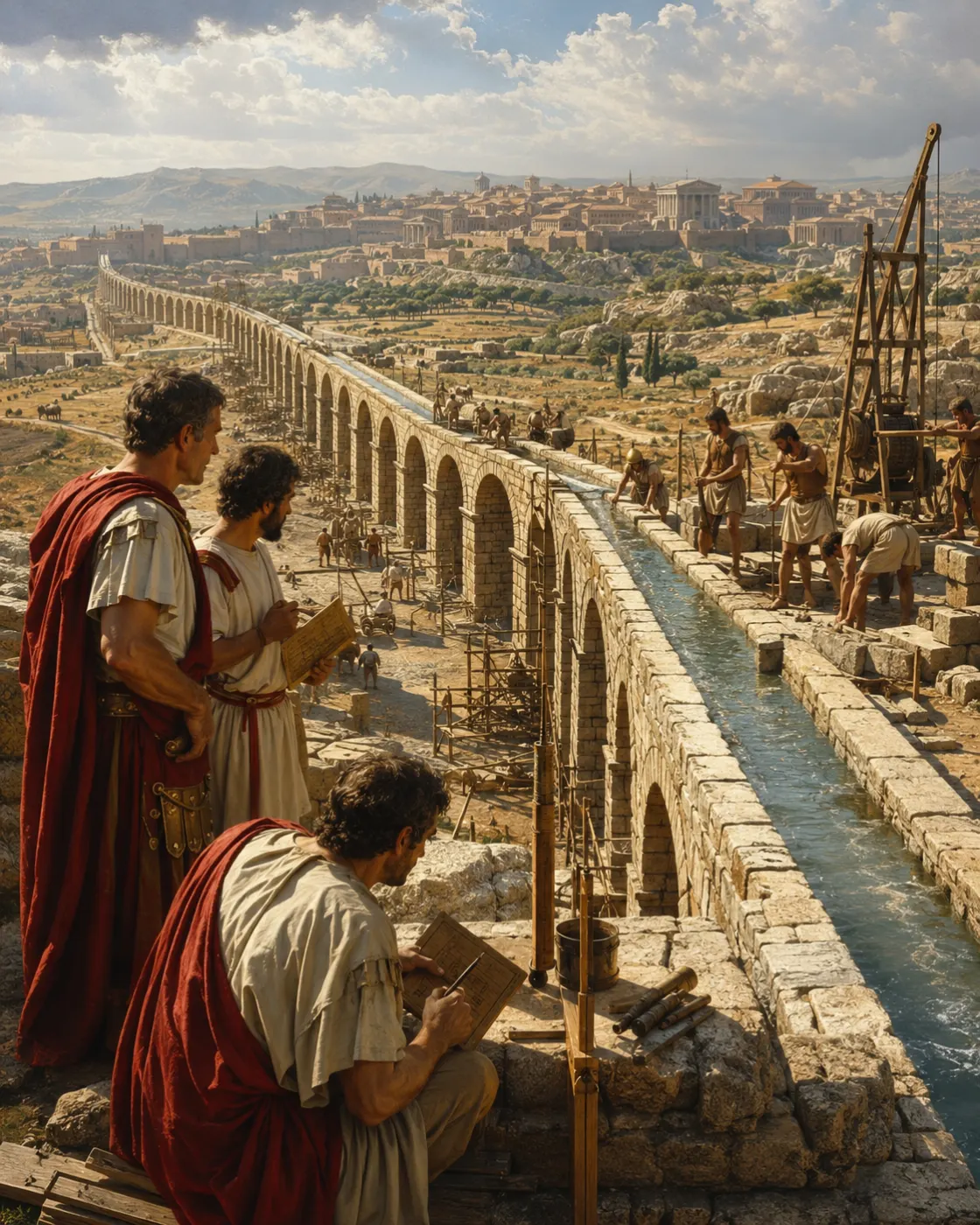
How the Romans brought water to the top of the world
A Journey through Ancient Rome
How the Romans brought water to the top of the world
 A Journey through Ancient Rome
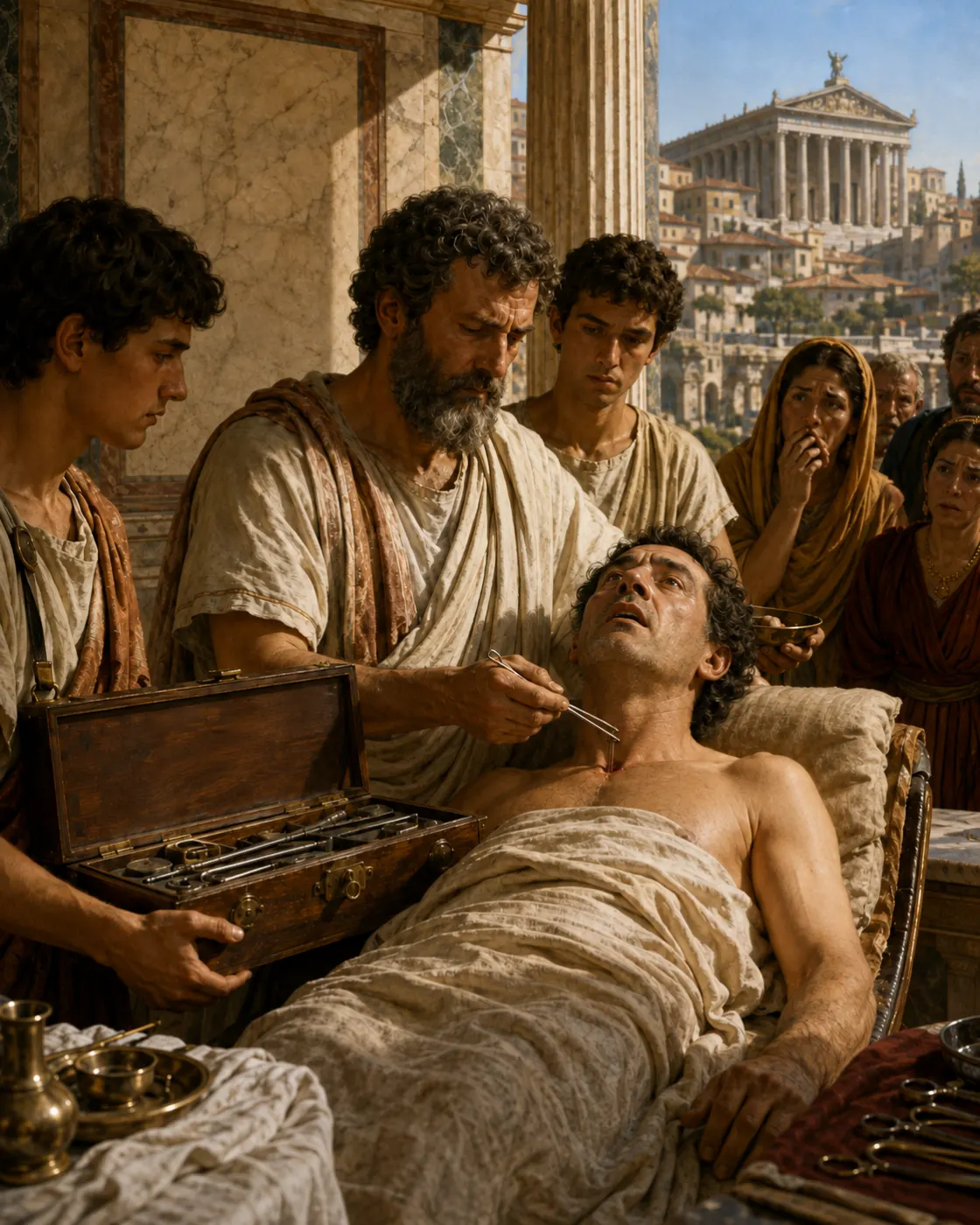
Physicians, surgeons and healers in Ancient Rome
A Journey through Ancient Rome
Physicians, surgeons and healers in Ancient Rome
 A Journey through Ancient Rome
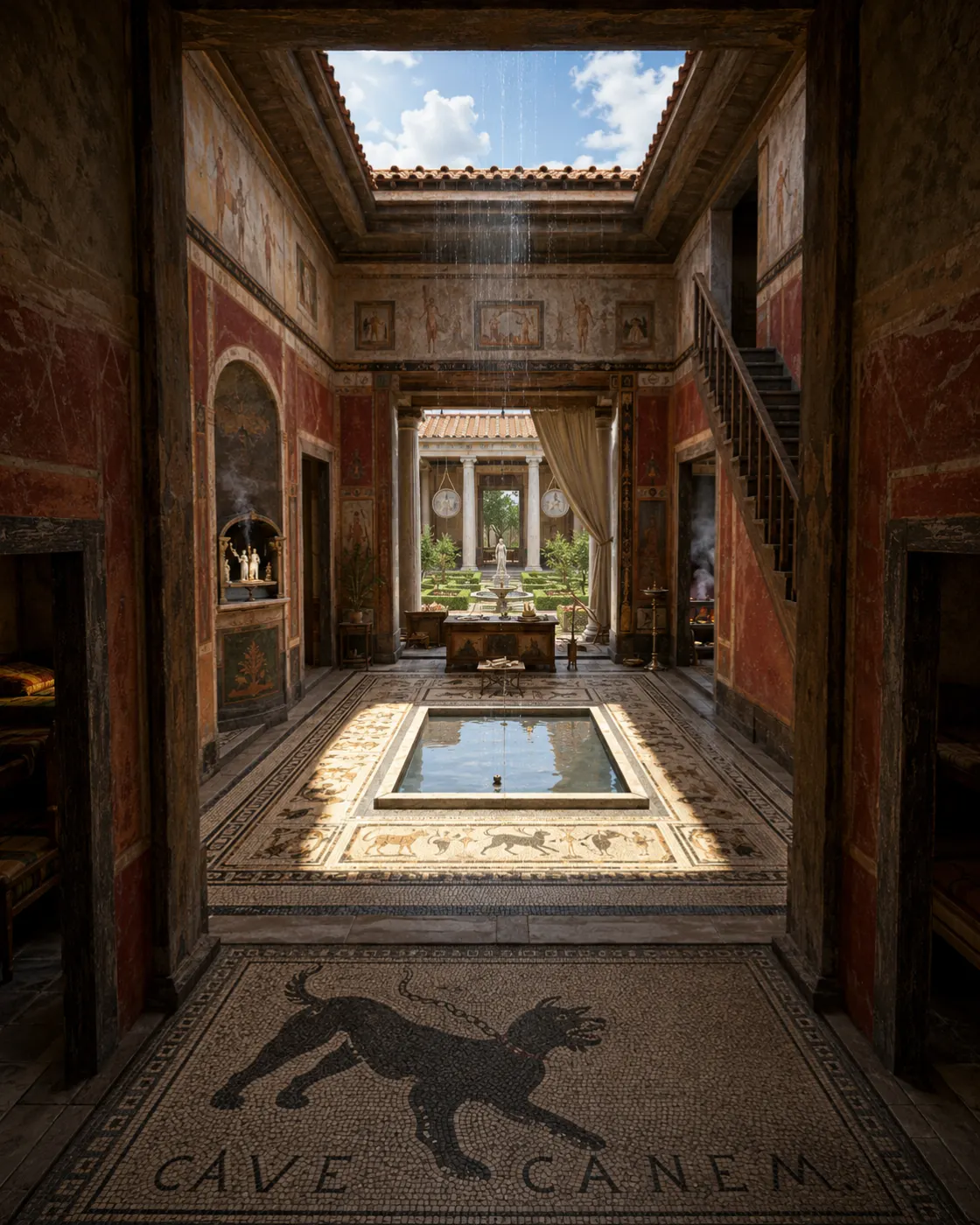
A journey into the Roman domus between luxury, shadows and secrets
A Journey through Ancient Rome
A journey into the Roman domus between luxury, shadows and secrets
 History
Ludwig II of Bavaria: the fairy-tale King
History
Ludwig II of Bavaria: the fairy-tale King