
Art · Premium
The hidden face of Venice: the masks of the Serenissima
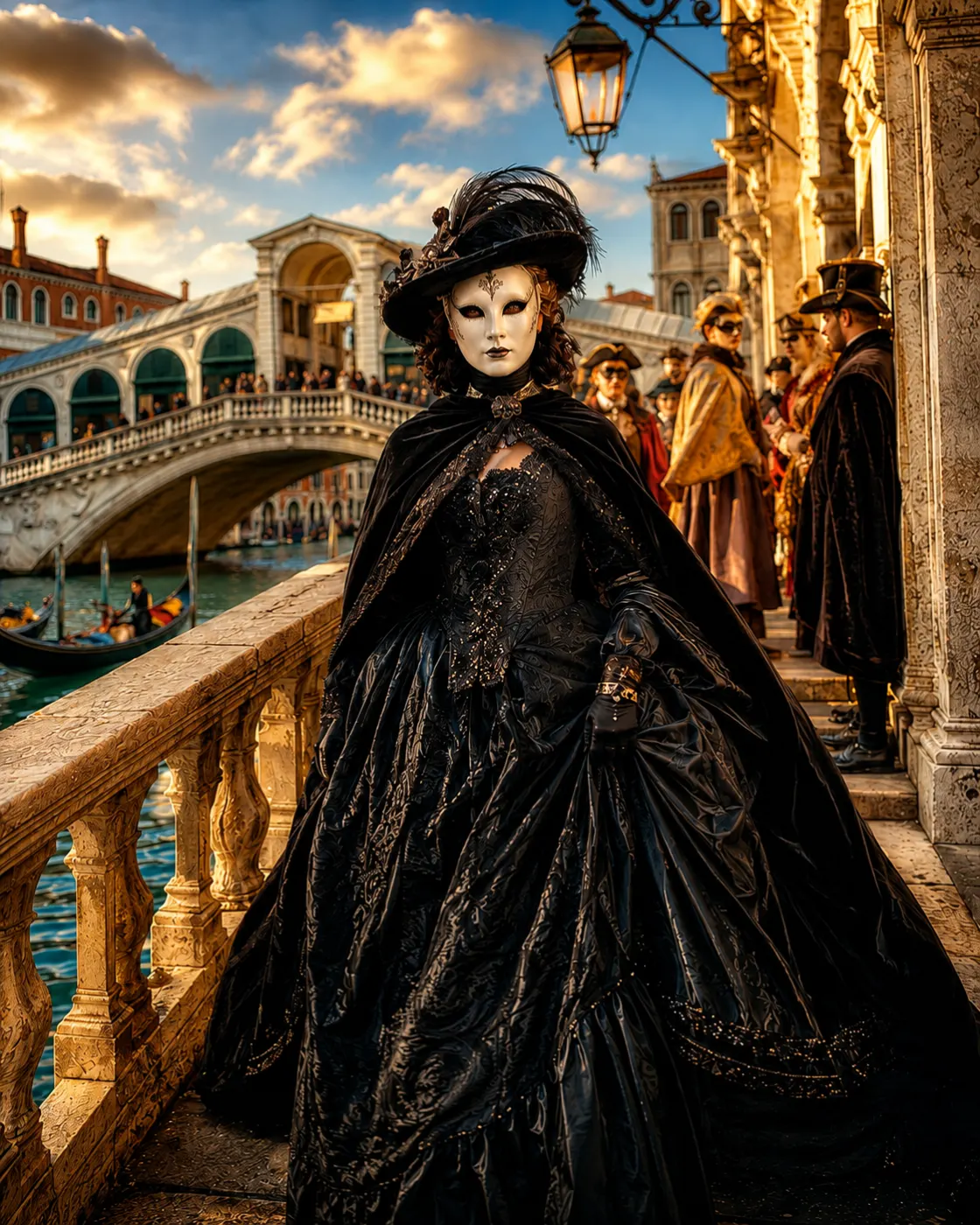
Venetian masks were not born for Carnival, but were a much broader social and political phenomenon. For centuries, in Venice, masks were allowed for almost six months a year, guaranteeing anonymity and freedom to nobles and commoners alike. They served to protect oneself during shady dealings, to mingle among social classes, and to release political tensions without them degenerating into rebellion. The most famous was the bauta, which enjoyed special privileges, but there was also the moretta, reserved for women, and the gnaga, which allowed gender roles to be subverted. In 1797, Napoleon conquered Venice and suppressed Carnival. The masks disappeared for almost two centuries, only returning to shine in 1979. Today, the Venice Carnival is one of the most famous events in the world and preserves an ancient tradition, made of elegance, irony and freedom.
Premium story: open the app to listen to it in full.