
Dark History · Premium
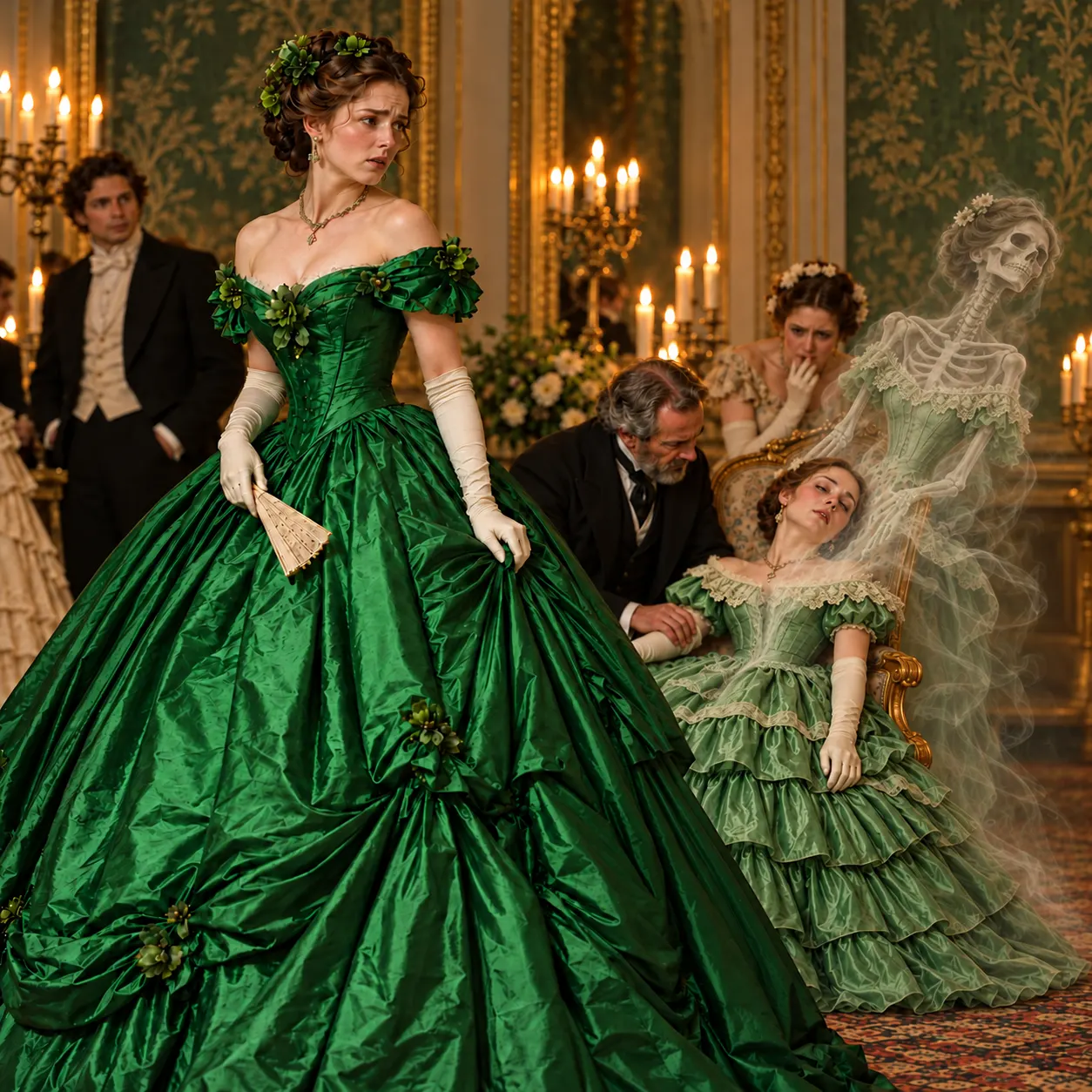
The fashion of consumption: the beauty that killed
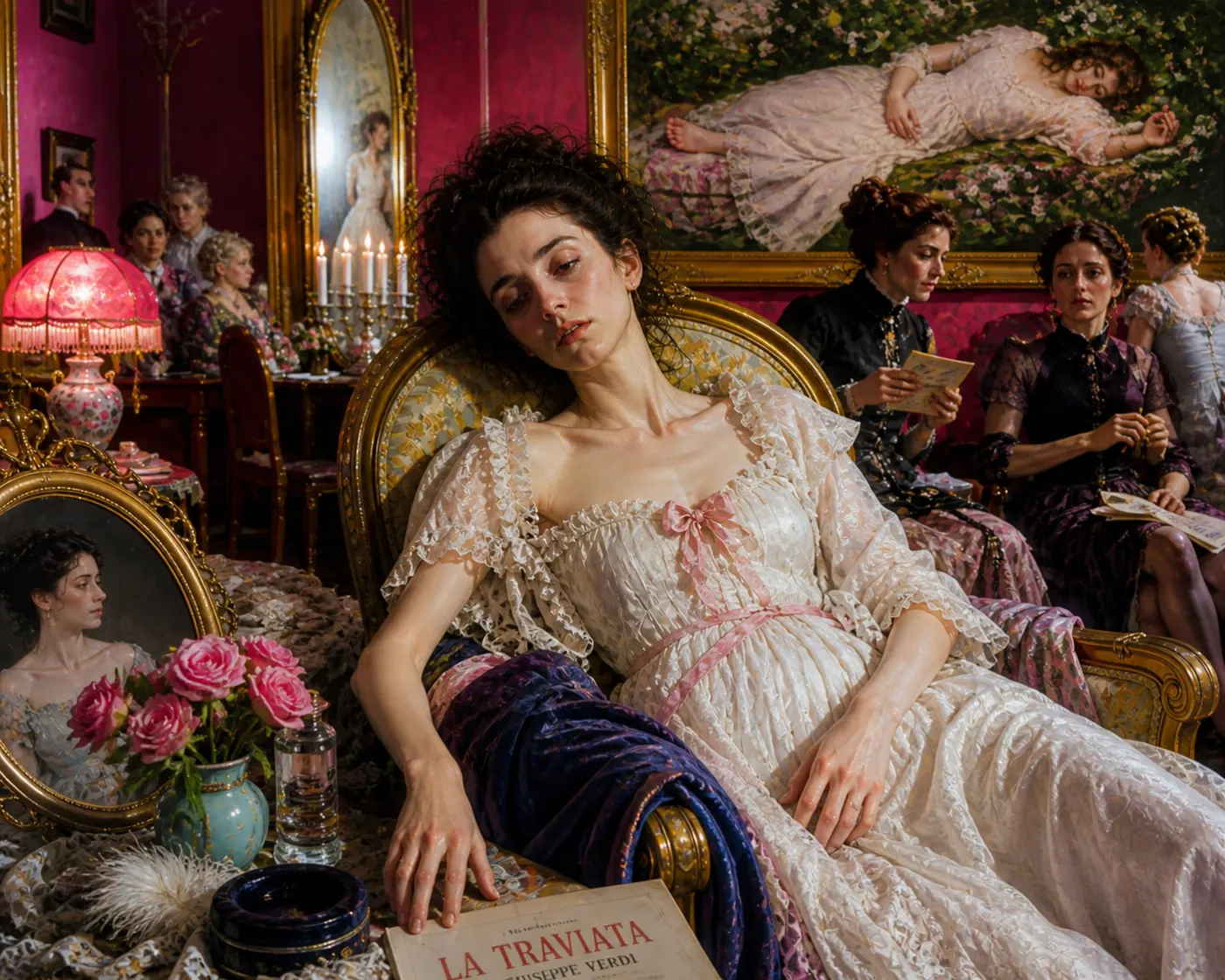
In the 1800s, tuberculosis (called "consumption" or "phthisis") became a romantic aesthetic ideal: pale skin, cheeks flushed with fever, ethereal thinness were considered signs of nobility of spirit and sensitivity. To imitate the symptoms of the disease, women wore extremely tight corsets that caused coughing and fainting, and used toxic cosmetics based on lead, mercury, and belladonna, risking their lives. Many refused medical treatment so as not to lose that "sickly beauty", celebrated by operas such as "La Traviata" and by Pre-Raphaelite paintings. Behind the romantic myth, however, tuberculosis was a massacre that killed rich and poor alike without any poetry. The fashion of "Consumptive Chic" disappeared only when medicine discovered the tuberculosis bacillus, but it left behind an obsession with thinness and female fragility.
Premium story: open the app to listen to it in full.